
|
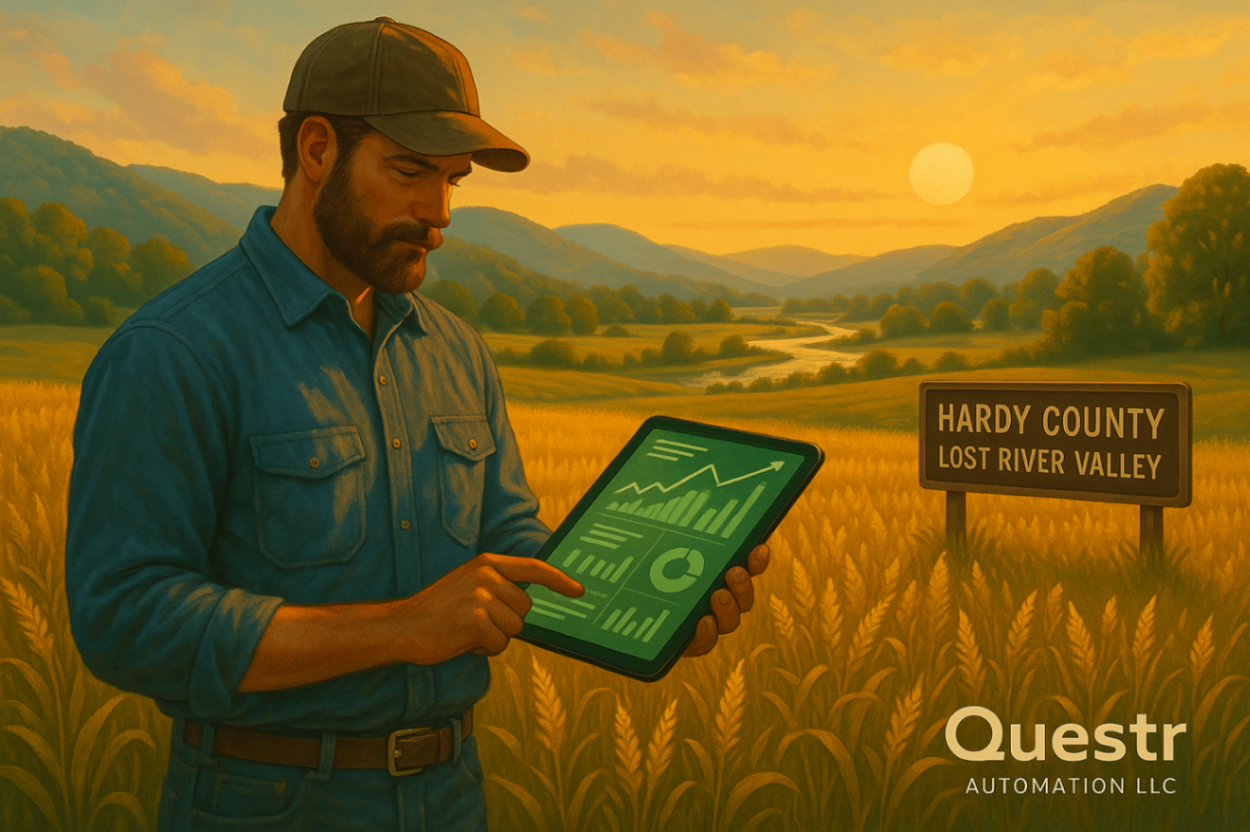
By Dave Oberting, Questr Automation LLC, [email protected], 304.679.1889. Running a farm is a constant exercise in managing volatility. You’re fighting the weather, the markets, and a labor pool that seems to shrink every time you look at the horizon. It’s exhausting. And for a long time, the "solution" being sold to you by Silicon Valley was just another thing to worry about. I’ve been vocal about this lately on LinkedIn because the trend is dangerous. We’re seeing billions of venture capital dollars poured into tech designed for farms that shouldn’t even exist: multi-thousand-acre monocultures that need massive automation just to survive their own scale. If a piece of technology requires you to take on $500,000 in debt just to buy the proprietary hardware, it isn’t a tool for sustainable farming. It’s a foreclosure mechanism. The 92% vs. the 8%Here’s the reality: 92% of American farms produce a minority of our food value, but they provide 100% of our resilience. If the "industrial 8%": those massive corporate operations: face a single point of failure like a cyberattack or a localized climate disaster, our food security shatters.
We need the independent grower. But the independent grower is being left out in the cold by big tech. At Questr, we aren’t interested in building "high-tech golden handcuffs" that lock you into a subscription to bankruptcy. We’re building bolt cutters. Modular Mechatronics: Leverage, Not DebtInstead of asking you to replace your entire fleet, we focus on modular, open-architecture mechatronics. We want to give you the labor leverage you need to survive without the crushing debt.
Building a Security Moat for AppalachiaOur ROOST program (Rural Operations Optimization & Systems Trial) is our way of proving this works right here in Appalachia. We’re turning family farms into an "innovation engine." This isn't about replacing the farmer; it's about recharging them. By saving a farmer 1,000+ hours a year, we aren't just improving efficiency: we’re making it possible for the next generation to stay on the land. We are building a "security moat" around the independent farm.
The Bottom LineIf we lose the middle tier of farming, AgTech transitions from an efficiency upgrade to a desperate survival mechanism for corporate giants. We can't let that happen. We need tools that help the vital mid-sized grower thrive. If you're tired of being told you need a million-dollar tech stack to stay relevant, let’s talk. We can help you find what to automate first without breaking the bank. Ready to see what modular automation can do for your operation? Get started today: http://questr.us.
0 Comments
By Dave Oberting, Questr Automation LLC, [email protected], 304.679.1889. Running a family farm in Appalachia often feels like a marathon: one where you’re also expected to be a full-time accountant, data scientist, and logistics manager. Between checking the fence and feeding the herd, who actually has time to sit at a desk and log every $25 purchase or field observation? Most of us end up with a dashboard covered in faded receipts and a notebook that’s mostly mud and mystery. The truth is, manual recordkeeping is a massive hidden cost. If you’re spending 10 hours a week on paperwork, that’s time you aren’t spending on the things that actually grow your bottom line. But here’s the good news: you don't need a Silicon Valley budget to get your time back. At Questr Automation, through our ROOST program, we’re helping farms across the region implement low-cost, "set-it-and-forget-it" systems. Here are 7 practical AI hacks to reclaim your week. 1. Ditch the Pen for Voice-to-TextYou’re in the field, you notice a weak spot in the fence or a calf that looks off. Instead of trying to remember it for later (spoiler: you won't), use voice-to-text. Apps like Otter.ai or even your phone's built-in recorder can transcribe your notes instantly. You can even use a simple automation to send those notes straight to a "To-Do" list or a spreadsheet.
2. Automated Expense TrackingConnecting your farm bank account to QuickBooks Online or a similar tool is a cost-saving essential. It automatically pulls in every transaction. Instead of typing in "Feed Store - $450," the software sees the charge and categorizes it for you. It’s about as close as you can get to an accountant in your pocket. 3. Simple Digital Forms for Harvest LogsPaper logs get lost or soaked. Set up a simple Google Form or Airtable link on your phone’s home screen. When you finish a harvest or a spray run, just tap a few buttons on your phone. It populates a spreadsheet automatically, giving you real-time data on your yields without the "shoe leather" data entry. 4. AI-Powered Receipt ScanningStop the "shoebox of receipts" madness. Use an app like Dext or Expensify. You snap a photo of the receipt at the register, and AI reads the vendor, the date, and the total. It then syncs that data directly to your accounting software. No more typing, no more lost deductions.
5. Automated InvoicingIf you sell direct-to-consumer or to local restaurants, stop manual billing. Tools like Square or QuickBooks can send automated recurring invoices. If a customer pays the same amount every month, the system handles the "chasing" for you, saving you hours of awkward follow-up emails. 6. Pattern Recognition for Pest LogsNot sure what’s eating your crop? Use AI-powered photo recognition tools like Xarvio. Snap a photo of the leaf, and the AI identifies the pest or disease. It logs the location and the time, helping you build a "history" of your land so you can predict (and prevent) outbreaks next year. 7. Customer Follow-Up AutomationsIf you’re running a CSA or a farm stand, your customers want to feel connected. Use simple CRM (Customer Relationship Management) automations to send a "Thank You" or a "What’s in the Box" email automatically. It keeps your brand top-of-mind without you having to touch your keyboard. Start Small, Scale FastYou don’t have to do all seven at once. Pick one: maybe it’s the receipt scanning: and watch how much mental "clutter" it clears out. Our mission with the ROOST initiative is to prove that these tools aren't just for 5,000-acre mega-farms; they’re for the family operations right here in Appalachia. If you’re curious about how much time you could be saving, check out our ROI Calculator or get in touch. We’re here to help you stop doing the drudgery and start doing the farming.
Looking For Low-Cost Soil Sensors? Here Are 5 Things Every Small Farm Should Know
By Dave Oberting, Questr Automation LLC, [email protected], 304.679.1889. Let’s be honest: being a small producer in Appalachia often feels like you're running a marathon while juggling chainsaws. Between the rising cost of fuel, the constant scramble for reliable help, and the unpredictability of the weather, it’s easy to feel like you’re always playing catch-up. You know those early mornings and late evenings spent walking the fields just to check if the soil is too dry or if a valve got stuck? That’s valuable time: and shoe leather: you never get back. We’ve all heard about "smart farming," but it usually sounds like something reserved for the massive corporate operations with deep pockets. The good news? High-tech doesn’t have to mean high-cost. Here are five things every small Appalachian farm should know about low-cost soil sensors. 1. You Don’t Need a $10,000 SystemMany folks assume that getting real-time data requires an "enterprise" setup that costs as much as a new tractor. It doesn't. While those $10,000 systems exist, you can get high-quality, reliable sensor kits for $700 to $1,000. That’s roughly 1/15th the price for technology that provides the exact same critical data. 2. Turn Data Into Decisions (Without the Hike)The real magic isn't the sensor itself; it’s the fact that it monitors your soil 24/7. Instead of manual field checks, you get alerts sent straight to your phone. If the moisture level drops below a certain point, you know instantly. This turns "guessing" into "knowing," saving you hours of manual labor every single week.
3. The ROI is Real (and Fast)Automation isn't just a "cool gadget": it’s a cost-saving essential. When you look at the math, the ROI is hard to ignore:
4. No Major Infrastructure RequiredModern sensors are designed for the rugged Appalachian terrain. Most are wireless and solar-powered, meaning you don’t need to run miles of cable or build a server room in your barn. They’re "plug and play": easy to install and even easier to maintain.
5. Start Small, Scale FastYou don’t have to instrument every square inch of your land on day one. Start with your most valuable crops or that remote pasture that’s a pain to reach. Once you see the time and money hitting your bottom line, you can scale up.
At Questr Automation, we specialize in finding these practical, affordable tools that actually work for family farms. If you're ready to stop guessing and start growing more efficiently, get in touch. We’re here to help you modernize without the headache. SEO Post Description: Stop walking the fields and start monitoring from your phone. Discover how affordable, solar-powered soil sensors can save your Appalachian family farm 20+ hours of labor a month and reduce water costs by 30%. Practical automation is finally within reach for the small producer. 5/14/2026 tech-driven dairy: how to slash labor costs and boost roi without breaking the bankRead Now
By Dave Oberting, Questr Automation LLC, [email protected], 304.679.1889. Let’s be honest for a second: running a dairy farm in 2026 isn't just about hard work anymore: it’s about survival. You’re up at 3:30 AM, staring at a list of chores that never ends, and the "help" you hired last week just ghosted you for a job at the new warehouse in town. It’s frustrating, it’s exhausting, and frankly, it’s not sustainable. For years, the "solution" was always to just get bigger or work harder. But there are only so many hours in the day, and "big iron" prices are enough to make your stomach churn. However, there’s a shift happening right now in the industry that’s changing the math for family farms. According to a recent Farm Progress report, technology is no longer a luxury for the corporate guys: it’s the secret weapon for the small-to-mid-sized dairy. At Questr Automation, Inc., we don't think you should have to sell the back forty just to afford a piece of tech. We believe in affordable farm automation for West Virginia small farms. Here is how we’re helping our neighbors turn the "manual grind" into a tech-forward operation that actually lets you sleep past sunrise. The Labor Crisis Isn't Going Away (But Your Stress Can)We’ve talked to dozens of farmers across Hardy County and the surrounding areas, and the story is always the same: “Dave, I can’t find anyone who wants to milk, and even if I do, I can’t afford to pay them what they’re asking.” When labor is your second-largest expense, every minute wasted is money leaking out of the barn. The Farm Progress article highlights that tools like health monitoring collars and automated feeders are solving this specific crisis by taking the "grunt work" off the human plate.
1. Health Monitoring: The 2.1-Year PaybackIf I told you that a $25-per-cow investment could save you $25,000 a year, you’d probably tell me to stop pulling your leg. But the data is in. Health monitoring sensors: those smart collars or ear tags: are providing a lightning-fast return on investment. How it works: These sensors track rumination, activity, and even ear temperature. Instead of you spending two hours walking the pens looking for a cow that "looks a little off," the system pings your phone.
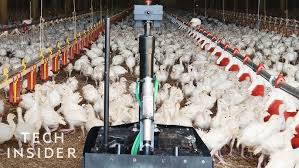
That’s what we call a "no-brainer" in this business. Precision livestock monitoring for cattle and poultry isn't just about data; it's about preventing disasters before they hit your bottom line. 2. Automated Feeding: Buying Back Your AfternoonFeeding is one of the most labor-intensive parts of the day. Between mixing rations and pushing feed, you’re looking at a massive chunk of your workforce's time. Automated feeding systems and robotic feed pushers aren't just for 5,000-head operations anymore. Modern tech can cut 2 to 3 hours of daily manual labor. Imagine what you could do with an extra 15-20 hours a week. You could focus on herd genetics, fix that fence that’s been down since March, or: heaven forbid: go to your kid’s ballgame. By automating the mundane, your workers become more productive. Instead of being "the guy who pushes feed," your employee becomes the "operations manager" who ensures the machines are running and the herd is thriving.
3. Robotic Milking: Shifting the ParadigmWhile the upfront cost of a robotic milking system (AMS) is higher, the labor savings are astronomical. We’re talking about a 60% to 75% reduction in direct milking labor. When you run the numbers through our ROI Calculator, the long-term benefit of not having to manage a milking crew often outweighs the equipment payment: especially when you consider the increased milk yield from cows being milked on their own schedule. How Questr Makes It Happen (The ROOST Initiative)Look, we know that reading about $150,000 robots can be overwhelming when you’re just trying to keep the lights on. That’s where Questr Automation is different. We aren't just selling you a box and wishing you luck. We act as your Ag-Tech Integrator. We find the best, most rugged equipment that actually works in the West Virginia terrain and we handle the setup. But more importantly, we help you find the money to pay for it. Through our ROOST (Rural Operation Optimization & Sustainable Technology) initiative, we specialize in navigating the government red tape that stops most farmers from applying for grants.
Our goal is simple: Save you 500+ labor hours a year. We want to take the risk out of the equation so you can upgrade your farm without the "sticker shock" traditional dealers give you.
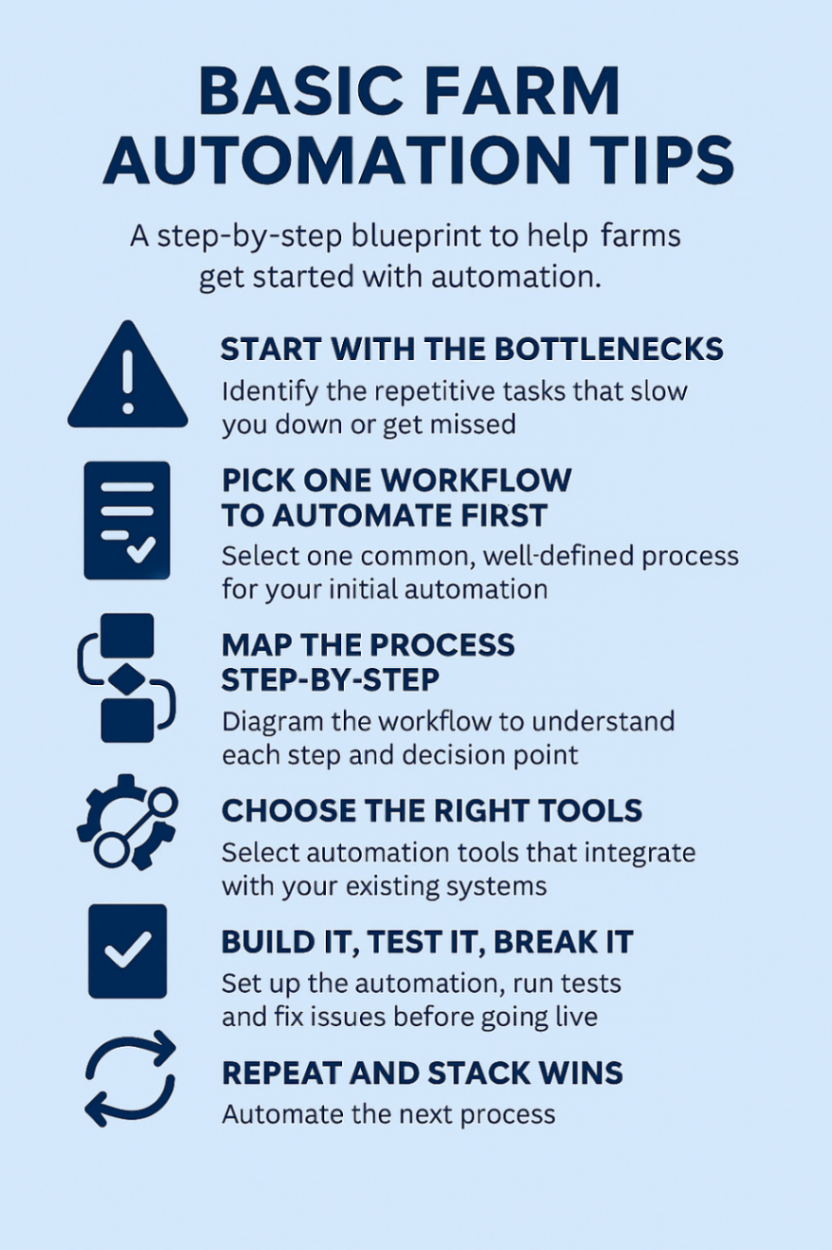
Start Small, Scale FastYou don’t have to automate the whole farm by Tuesday. In fact, we recommend you don't. The smartest way to boost your ROI is to target your biggest bottleneck first. Maybe it’s a smart steering kit for your existing tractor to reduce overlap and fuel waste. Maybe it’s the health collars to stop losing money on sub-clinical mastitis. Here is your practical 3-step plan:
The Bottom LineThe "Future of Farming" isn't a sci-fi movie; it's a practical necessity for West Virginia families who want to keep their legacy alive. Automation isn't about replacing the farmer: it’s about augmenting the farmer so you can actually enjoy the life you’ve built. If you’re tired of the labor hunt and ready to see what precision livestock monitoring can do for your peace of mind, let’s talk. We’re local, we’re practical, and we’re ready to help you win back your time.
Ready to stop the grind?
By Dave Oberting, Questr Automation LLC, [email protected], 304.679.1889. Let’s be honest: how much of your morning is spent just "checking things"? You hop in the truck, drive out to the south pasture or the high tunnels, stick a finger in the dirt, and try to decide if today is the day you turn on the pumps. It’s a ritual, sure, but it’s an expensive one. Between the fuel, the wear and tear on the truck, and: most importantly: your time, that "quick check" is eating your lunch. If you’re spending two or three hours a day managing water, that’s $50 to $75 of labor down the drain every single day. For a family operation in West Virginia, that’s the difference between a profitable season and just breaking even. The good news? You don’t need a $15,000 enterprise system to stop the guessing game. You can get low-cost soil moisture sensors for small farms that do the heavy lifting for you. We’re talking about a setup that costs between $700 and $1,000: roughly 1/15th the price of the big-box industrial systems: and pays for itself in a matter of weeks. Here is the practical, five-step guide to getting it done. The Real ROI: Why You Should CareBefore we dig the first hole, let’s talk numbers. When you move to affordable farm automation for West Virginia small farms, you aren’t just "buying tech." You’re buying back your life.
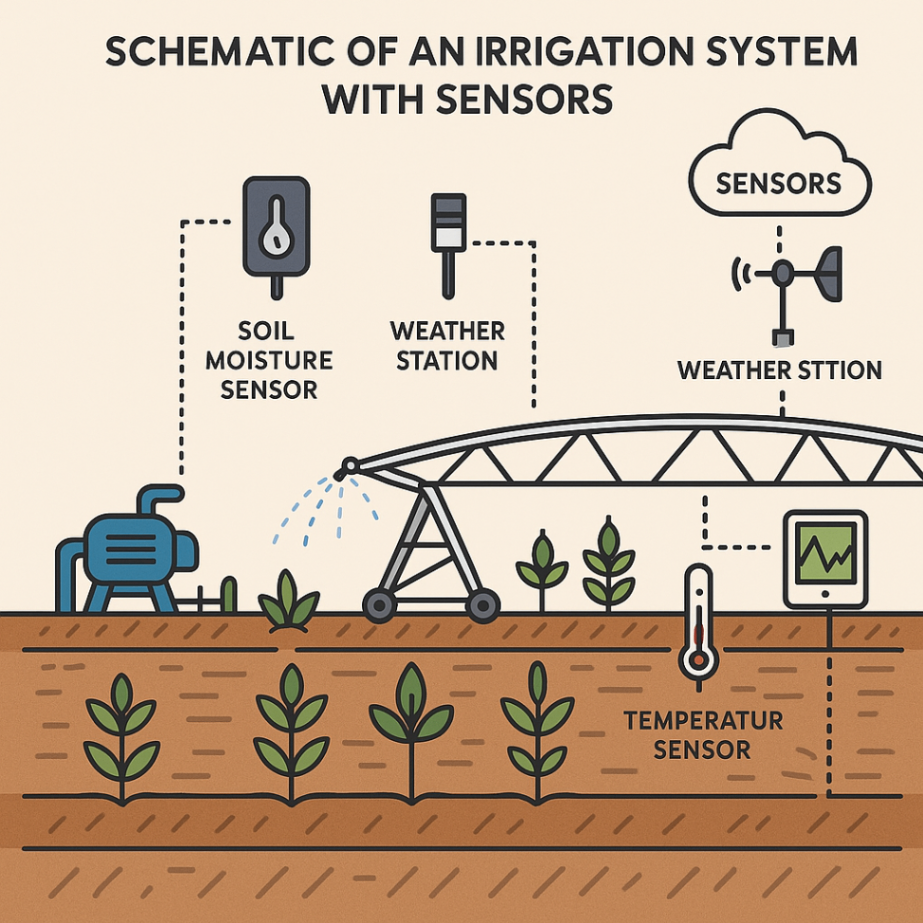
Step 1: Identify Your "High-Value" ZonesDon’t try to sensor every square inch of your acreage on day one. That’s a recipe for burnout and a bloated budget. Instead, look for your "High-Value" zones. These are the areas where a mistake costs the most. Maybe it’s your high tunnels, your newly planted orchard, or the specific pasture where you’re trying to maximize forage for precision livestock monitoring for cattle. Start where the money is. If you have a field with varying soil types: say, a sandy patch and a heavy clay patch: place a sensor in both. You’ll be shocked at how differently they hold water. Step 2: Choose Wireless, Solar-Powered SensorsIf you have to run wires across a field, you’ve already lost. Wires get tripped over, chewed by rodents, or caught in the mower. For a truly low-maintenance setup, you want wireless sensors powered by a small solar panel. Modern low-cost soil moisture sensors for small farms use long-range radio (like LoRaWAN) or cellular connections. They wake up, take a reading, beam it to the cloud, and go back to sleep. You never have to change a battery, and you don’t have to worry about the Wi-Fi reaching the back forty.
Step 3: Install at the Root ZoneA sensor sitting on the surface tells you if it rained. A sensor at the root zone tells you if the plant is actually drinking. When you install your sensors, you want them at the depth where the "action" happens. For most crops, this is 6 to 12 inches deep.
Step 4: Connect to Your SmartphoneThis is where the magic happens. Once the sensor is in the ground, you sync it to an app on your phone. Instead of driving out to the field, you check your phone while you’re having your first cup of coffee. You’ll see a graph showing exactly how much moisture is available. You’ll start to notice patterns: like how your soil might look dry on top but still has 40% moisture at the roots. This is how you stop the "panic watering" that leads to root rot and wasted nutrients.
Step 5: Set Your "Dry" ThresholdsThe final step is moving from monitoring to automation. Set a threshold in your app. For example: "If moisture drops below 20%, send me a text." Eventually, you can link this to a smart controller on your pump. Now, the pump only turns on when the plants actually need it. No more guessing. No more "I think it looks dry." Just data-driven farming that keeps your margins thick. Beyond the Fields: Automation for Every AcreWhile we’re talking about soil, don’t forget that the same logic applies to your barns. If you’re running a poultry operation, automated climate control for small poultry houses uses similar sensor tech to manage fans and heaters. It’s all about removing the human "guesswork" from the equation. Whether it's moisture in the dirt or ammonia levels in the air, sensors are your 24/7 eyes and ears. How to Pay for It (The Best Part)I know what you're thinking: "Dave, this sounds great, but I've got bills to pay." This is where West Virginia farmers have a massive advantage right now. Through Questr Automation’s ROOST program, we help local family farms navigate the world of grants for agricultural technology in West Virginia. There are federal and state programs like USDA REAP (Rural Energy for America Program) and NRCS EQIP that are designed specifically to help you modernize. In many cases, these grants can cover 50% to 100% of the equipment costs. We handle the paperwork and the tech: you just reap the benefits of a more efficient operation.
Stop Guessing, Start GrowingThe era of "guessing" is over. Transitioning to a sensor-based system isn't about being "high-tech" for the sake of it: it's about survival. It's about making sure your family farm is still here 20 years from now because you weren't afraid to let a $700 sensor save you $75 a day. If you’re tired of the "truck time" and want to see what a low-cost setup would look like on your specific acreage, let's chat. We’re not here to sell you a spaceship; we’re here to help you build a more profitable, less stressful farm. Ready to see how soil sensors can change your day-to-day? Click here to learn how Questr Automation can help you get started.
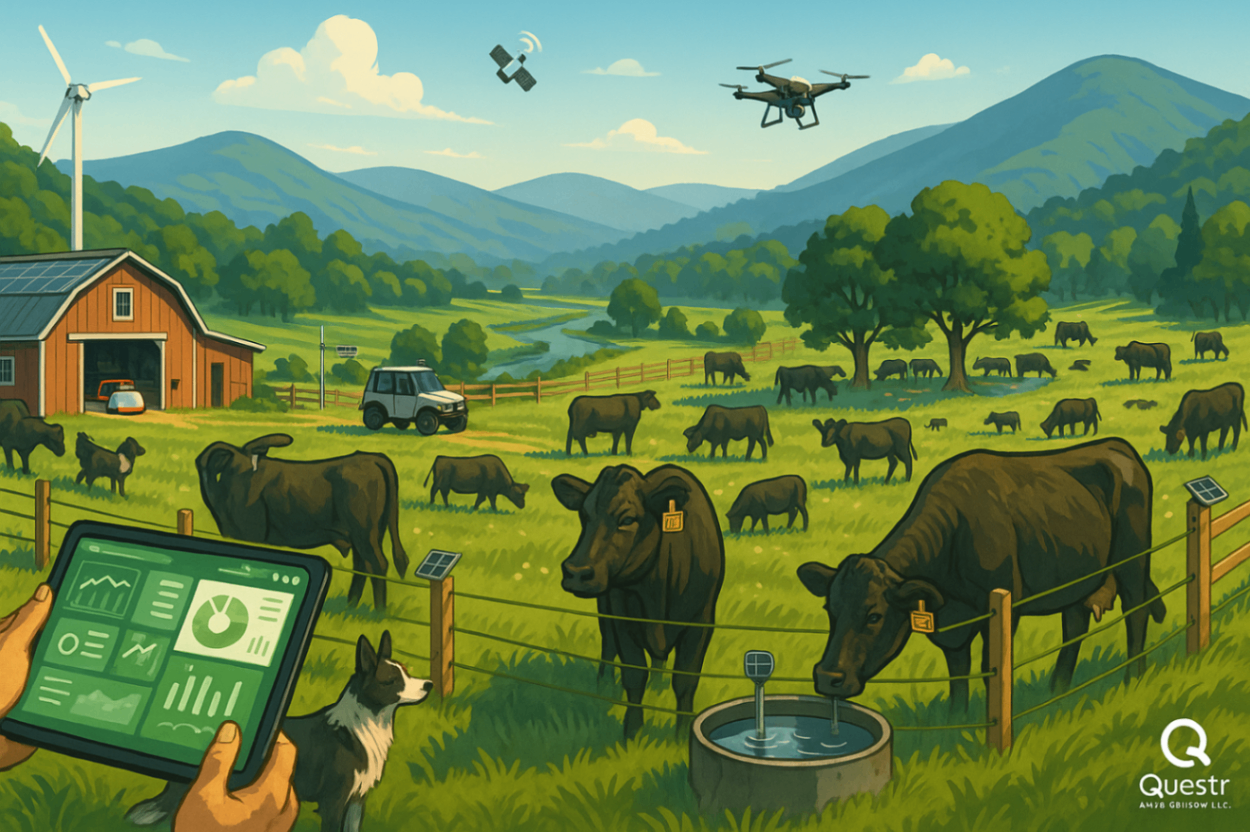
By Dave Oberting, Questr Automation LLC, [email protected], 304.679.1889. Let’s be honest: regenerative farming sounds poetic in a brochure, but in practice, it’s a lot of walking. If you’re practicing intensive rotational grazing, you’re basically a professional fence-mover who happens to own some cows. It’s noble work, but it’s exhausting, and it’s one of the biggest reasons family operations struggle to scale their land stewardship. That’s where the "Green Machine" comes in. We’re not talking about replacing the farmer with a soulless AI; we’re talking about regenerative agriculture automation as a force multiplier for your values. The Virtual Shepherd and the SoilThe heart of regenerative farming is movement. You want your livestock to mimic the behavior of wild herds: grazing intensely and then moving on to let the land recover. Through precision livestock monitoring for cattle and poultry, technology like virtual fencing allows you to move herds from your phone. No more driving t-posts at 5:00 AM. By precisely controlling where animals graze, you stimulate root growth and soil carbon sequestration without the back-breaking labor. It’s stewardship at the click of a button.
Surgical Precision vs. Blanket SprayingTraditional farming often relies on "blanket" applications: spraying the whole field because 10% has a problem. Automation changes the math.
How to Pay for It (The ROOST Initiative)We know the biggest hurdle for affordable farm automation for West Virginia small farms is the upfront cost. That’s why Questr Automation is leaning heavily into the ROOST initiative. We help farmers leverage grants for agricultural technology in West Virginia (like USDA REAP and NRCS EQIP) to modernize. Our goal? Using automation to reduce your inputs by 30%. When you use less diesel, less fertilizer, and less water, you’re not just helping your bottom line: you’re qualifying for "climate-smart" incentives that keep your farm viable for the next generation. Automation isn't about removing the human element from the land; it’s about giving the human enough time and data to actually lead the land. Want to see if your operation is ready to level up? Check out how Questr Automation can help or drop us a line today. 5/7/2026 the 15-minute farm check: how to see your whole operation before the coffee gets coldRead Now |
AuthorDave Oberting, Managing Director, Questr Automation Archives
September 2026
Categories
All
|










 RSS Feed
|
Questr Automation, Inc.
Work Less. Live More. 100 N. Loudoun Street, Suite 130, Winchester, VA 22601 [email protected] Connect with us: LinkedIn | Facebook | Instagram | X © 2026 Questr Automation, Inc. All rights reserved. [Privacy Policy] | [Terms of Service] Questr is a proud partner of the ROOST program and BRCC. Questr Automation, Inc. and the ROOST program provide equal opportunities to all participants and applicants without regard to race, color, religion, sex, national origin, age, disability, or genetics. |